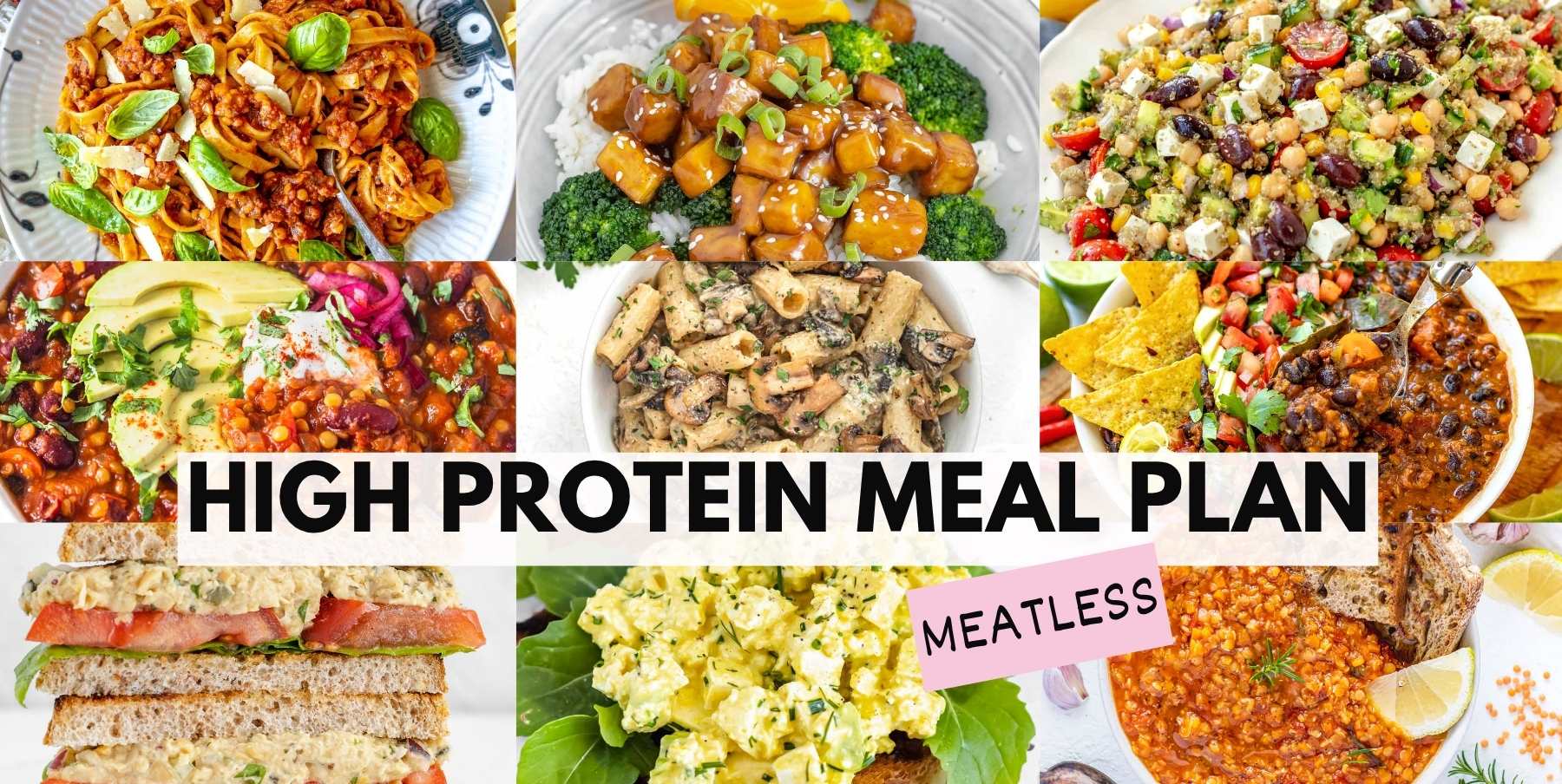
Embarking on a high protein vegetarian diet plan doesn't have to be a daunting task. In fact, with careful planning and an understanding of the vast array of plant-based protein sources available, you can easily meet and even exceed your protein requirements, supporting everything from muscle growth to sustained energy levels. This article, the second in our series, delves deeper into practical strategies, key sources, and actionable tips to help you effectively craft and maintain a robust high protein vegetarian diet plan.
Why a High Protein Vegetarian Diet is Essential
Protein is a fundamental macronutrient, playing a crucial role in virtually every bodily function. It's essential for building and repairing tissues, making enzymes and hormones, and providing a powerful energy source. For vegetarians, ensuring adequate protein intake is vital, especially if you're active, looking to build muscle, or simply aiming for better satiety and overall health.
The Benefits of High Protein Intake
- Muscle Growth and Repair: Protein is the building block of muscle. A high protein intake supports muscle synthesis, which is critical for athletes, those engaging in strength training, and even for preventing age-related muscle loss.
- Increased Satiety: Protein is known for its ability to keep you feeling fuller for longer. This can be particularly beneficial for weight management, as it helps reduce cravings and overeating.
- Metabolic Boost: Your body expends more energy digesting protein compared to carbohydrates or fats, a phenomenon known as the thermic effect of food (TEF). This can contribute to a slightly higher metabolic rate.
- Bone Health: While often associated with dairy, protein also plays a direct role in maintaining bone density and strength.
- Immune Function: Antibodies, which are vital components of your immune system, are made from protein. Adequate intake ensures your body can mount a strong defense against illnesses.
Dispelling the myth that vegetarians struggle with protein, this article aims to provide a clear roadmap. For a foundational understanding of how to boost your protein intake on a vegetarian diet, we recommend revisiting high protein vegetarian diet plan - Article 1.
Unlocking the Power of Plant-Based Protein: Key Sources
The vegetarian pantry is brimming with protein-rich foods. The key is to understand which foods pack the biggest protein punch and how to combine them for optimal nutritional benefits. While animal proteins are often "complete" (containing all nine essential amino acids), many plant proteins are also complete, or can be made complete by combining different sources throughout the day.
Top Vegetarian Protein Sources
- Legumes:
- Lentils: Versatile and inexpensive, a single cup of cooked lentils provides around 18 grams of protein and 16 grams of fiber. Great in soups, stews, salads, and curries.
- Chickpeas: Offering about 15 grams of protein per cup, chickpeas are fantastic in hummus, roasted as a snack, or added to salads and wraps.
- Black Beans & Kidney Beans: Both provide around 15 grams of protein per cup, along with significant fiber. Excellent in burritos, chili, and as a side dish.
- Edamame: Often overlooked, a cup of shelled edamame boasts about 18 grams of complete protein.
- Soy Products:
- Tofu: A powerhouse, firm tofu provides roughly 10 grams of protein per half-cup serving. It's incredibly versatile, absorbing flavors well.
- Tempeh: Fermented soybean product with a nutty flavor, offering about 15-19 grams of protein per half-cup. Great for grilling or stir-fries.
- Soy Milk: A good alternative to dairy milk, with around 7-8 grams of protein per cup.
- Grains:
- Quinoa: A complete protein, one cup cooked delivers about 8 grams of protein, plus fiber and minerals.
- Amaranth & Buckwheat: Other ancient grains that are excellent protein sources, providing 8-9 grams per cooked cup.
- Oats: A cup of dry oats offers around 10-12 grams of protein, making them an excellent breakfast choice.
- Nuts and Seeds:
- Peanuts & Peanut Butter: A quarter-cup of peanuts has 9.5 grams of protein, while two tablespoons of peanut butter offer 8 grams.
- Almonds: About 6 grams of protein per quarter-cup.
- Chia Seeds: 5 grams of protein and ample omega-3s per two tablespoons.
- Hemp Seeds: An impressive 10 grams of complete protein per two tablespoons.
- Pumpkin Seeds: 8 grams of protein per quarter-cup.
- Vegetables: While lower in protein per serving, certain vegetables contribute significantly when consumed in larger quantities:
- Broccoli: Around 4 grams of protein per cup.
- Spinach: About 5 grams of protein per cooked cup.
- Mushrooms: Approximately 3 grams of protein per cup.
- Dairy & Eggs (for lacto-ovo vegetarians):
- Eggs: Each large egg contains about 6 grams of high-quality, complete protein.
- Greek Yogurt: Especially high, with 15-20 grams of protein per serving.
- Cottage Cheese: Provides around 12-14 grams of protein per half-cup.
By consciously incorporating a variety of these foods into your daily meals, you can effortlessly achieve a high protein vegetarian diet plan.
Crafting Your Daily High Protein Vegetarian Meal Plan
A well-structured meal plan is the cornerstone of any successful diet. For a high protein vegetarian approach, the key is to ensure each meal and snack includes a substantial protein source, ideally combined with complex carbohydrates, healthy fats, and plenty of fiber-rich vegetables.
Sample One-Day High Protein Vegetarian Meal Plan
This sample plan provides approximately 90-110 grams of protein, adaptable based on portion sizes and specific needs.
Breakfast (Approx. 20-25g Protein):
- Option 1: Tofu Scramble with Spinach and Nutritional Yeast. Sautéed firm tofu seasoned with turmeric (for color), black salt, and nutritional yeast, mixed with a handful of spinach. Served with a slice of whole-wheat toast. (Tofu: 15g, Nutritional Yeast: 4g, Spinach: 2g, Toast: 3g)
- Option 2: Greek Yogurt Parfait. Plain Greek yogurt (1 cup) layered with a quarter-cup of berries, two tablespoons of hemp seeds, and a sprinkle of chopped almonds. (Greek Yogurt: 20g, Hemp Seeds: 10g, Almonds: 3g)
Lunch (Approx. 25-30g Protein):
- Option 1: Hearty Lentil Soup/Chili. A large bowl of homemade lentil soup or three-bean chili, rich in vegetables. Served with a side of whole-grain crackers. (Lentils/Beans: 20-25g, Crackers: 5g)
- Option 2: Quinoa & Chickpea Salad. Mixed greens topped with a cup of cooked quinoa, half-cup of chickpeas, chopped cucumber, bell peppers, and a lemon-tahini dressing. (Quinoa: 8g, Chickpeas: 15g, Tahini: 3g)
Snacks (Mid-morning, Mid-afternoon – Approx. 10-15g Protein each):
- Apple slices with two tablespoons of peanut butter. (Peanut Butter: 8g)
- Handful of almonds and a hard-boiled egg. (Almonds: 6g, Egg: 6g)
- Edamame pod (half-cup shelled). (Edamame: 9g)
- Cottage cheese (half-cup) with fruit. (Cottage Cheese: 12-14g)
Dinner (Approx. 25-35g Protein):
- Option 1: Tempeh Stir-fry. Cubed tempeh stir-fried with a generous amount of colorful vegetables (broccoli, carrots, snow peas) and a savory sauce, served over a half-cup of brown rice. (Tempeh: 15-19g, Brown Rice: 3g, Broccoli: 4g)
- Option 2: Black Bean Burgers. Two homemade black bean patties (high in protein from beans and often oats/nuts) on whole-wheat buns with plenty of fresh toppings. Served with a side salad. (Black Beans: 15g+ per patty)
Remember that this is a template. Adjust portion sizes and food choices to fit your specific caloric and macronutrient needs. The beauty of a high protein vegetarian diet plan is its flexibility and the vast array of delicious foods available.
Practical Tips for Sustainable High Protein Vegetarian Eating
Beyond simply knowing what to eat, successful adherence to a high protein vegetarian diet plan involves embracing certain habits and strategies that make it enjoyable and sustainable in the long run.
Maximize Your Protein Intake with These Tips:
- Prioritize Protein at Every Meal: Make protein the central component of your breakfast, lunch, and dinner. Don't relegate it to an afterthought.
- Snack Smart: Instead of relying on processed snacks, opt for protein-rich options like nuts, seeds, yogurt, or edamame.
- Diversify Your Sources: Don't stick to just one or two protein sources. A wide variety ensures you get a full spectrum of amino acids and other essential nutrients.
- Consider Plant-Based Protein Powders: If you're highly active or find it challenging to hit your protein targets, a scoop of pea, rice, or soy protein powder can be a convenient addition to smoothies or shakes.
- Meal Prep for Success: Dedicate some time each week to cook larger batches of lentils, beans, quinoa, or tofu. Having these staples ready makes quick, protein-rich meals much easier during busy weekdays.
- Hydration and Fiber: A high protein vegetarian diet is often high in fiber. Ensure you drink plenty of water to aid digestion and prevent discomfort.
- Flavor is Key: Experiment with different herbs, spices, and cooking methods. A delicious meal is a sustainable meal. Roasting, grilling, and using bold seasonings can transform simple ingredients.
Embracing a high protein vegetarian diet plan is not just about meeting nutritional goals; it's about discovering a vibrant and healthy way of eating that supports your body and the planet. To explore more advanced strategies and tackle common challenges in maintaining this lifestyle, refer to our comprehensive guide, high protein vegetarian diet plan - Article 3.
Conclusion
Achieving a high protein vegetarian diet plan is not only entirely feasible but also incredibly rewarding. By understanding your protein needs, incorporating a diverse range of plant-based protein sources, and employing smart meal planning and preparation strategies, you can easily fuel your body for optimal health, performance, and well-being. This dietary approach offers a wealth of benefits, from enhanced muscle growth and sustained energy to improved satiety and overall vitality. Embrace the richness of the plant kingdom, and you'll find that a high protein vegetarian diet is a delicious and sustainable path to a healthier you.
